What is Rotator Cuff Repair?
The rotator cuff is a group of muscles and tendons that help stabilize the shoulder and control lifting and rotation of the arm. A rotator cuff tear can develop from a sudden injury, but it can also happen gradually over time from wear, repetitive overhead use, or age-related degeneration. Common symptoms include shoulder pain, weakness, limited range of motion, and difficulty with everyday tasks like lifting, reaching, or getting dressed.
Rotator cuff repair is a surgical procedure used to repair a torn rotator cuff tendon. In most cases, surgery involves reattaching the torn tendon to the upper arm bone. Some partial tears may only need smoothing or trimming of damaged tissue, while larger or more complete tears are more likely to require a formal repair. In general, the goal is to reduce pain, improve strength, and restore shoulder function.

Rotator Cuff Repair Procedure
Rotator cuff repair is often performed arthroscopically, using a small camera and specialized instruments inserted through small incisions around the shoulder. During surgery, the torn tendon is repaired and secured back to the bone, often using sutures and anchors. Some repairs are done entirely arthroscopically, while others may require a mini-open or open approach depending on the tear and the quality of the tissue.
Rotator cuff repair is commonly an outpatient procedure, so many patients go home the same day. The procedure length can vary based on the size of the tear and whether other shoulder problems are treated at the same time. For many patients, the main benefit of surgery is a more stable, functional shoulder with less pain and better strength over time.
Nonsurgical Treatment for Rotator Cuff Tears
Not every rotator cuff tear requires surgery. Many patients improve with nonsurgical treatment, especially when symptoms are manageable and function can be restored without an operation. Conservative treatment often includes rest, activity modification, anti-inflammatory medication when appropriate, physical therapy, and sometimes an injection to help manage pain.
Surgery is more often considered when pain continues despite conservative treatment, weakness is affecting shoulder function, or the tear is large enough that a better outcome is expected with repair. It may also be recommended for patients whose symptoms interfere with sleep, work, exercise, or overhead activity.

Is Rotator Cuff Repair Right for You?
Rotator cuff repair may be appropriate for patients with a full-thickness tear, persistent shoulder pain, ongoing weakness, or loss of function that has not improved with time, therapy, and other nonsurgical care. It is also commonly considered when the tear is limiting daily activity or when a patient wants to return to more demanding work, sports, or overhead movement.
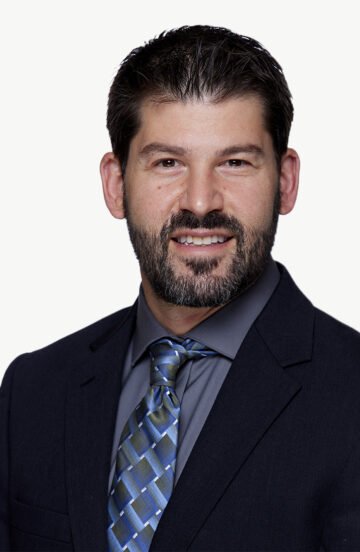
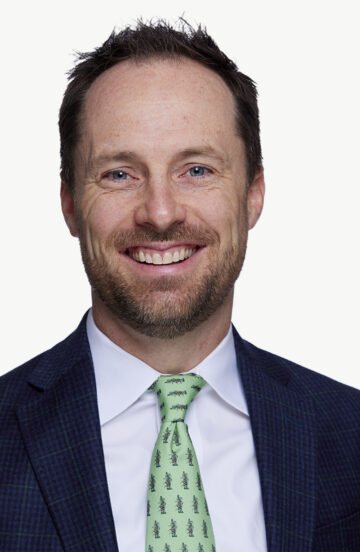
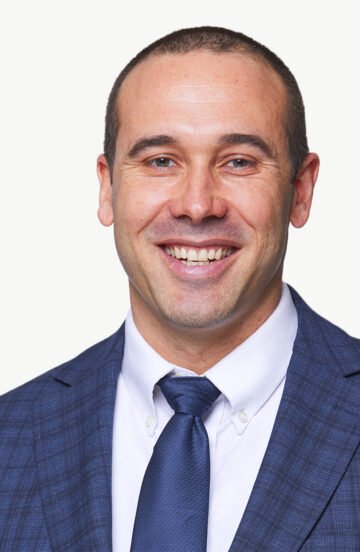
The best way to know whether surgery is the right next step is through an orthopedic evaluation. At Slocum, shoulder specialists assess symptoms, exam findings, imaging, and treatment goals before recommending a plan.
Frequently Asked Questions
Does every rotator cuff tear need surgery?
No. Many rotator cuff tears can be treated without surgery, especially when pain and function improve with physical therapy, activity modification, and other conservative care. Surgery becomes more likely when symptoms continue, strength is not returning, or the tear is significantly affecting quality of life.
How long does recovery take after rotator cuff repair?
Recovery takes time. The shoulder often needs a period of protection in a sling, followed by a gradual rehabilitation program to restore motion and strength. Many patients feel improvement over the first several months, but full recovery can take months, and recovery from larger tears may take longer.
How much pain should I expect after surgery?
The amount of pain after surgery varies from patient to patient. Most people can expect soreness, stiffness, and some difficulty using the shoulder early in recovery. These symptoms usually improve over time as healing progresses and physical therapy advances.
Will I need physical therapy?
Physical therapy is commonly part of recovery after rotator cuff repair. Rehab helps restore shoulder motion, rebuild strength, and guide a safe return to normal activity. Progress is gradual because the repaired tendon needs time to heal back to the bone.
When can I return to work or sports?
That depends on the type of work or sport, the size of the tear, and how recovery is progressing. Many patients can resume some daily activities earlier, but heavier lifting, repetitive overhead use, and sports often require a longer recovery period. Your surgeon and physical therapist will guide that timeline based on healing and function.
When should I see a specialist for a rotator cuff tear?
It is a good idea to be evaluated if shoulder pain is not improving, if you are losing strength, or if reaching, lifting, or sleeping is becoming difficult. Persistent symptoms after rest and therapy are also a common reason to seek orthopedic care.
Why Eugene Patients Trust Slocum for Rotator Cuff Repair
For more than 80 years, Slocum Orthopedics has helped keep the Eugene–Springfield community moving. As the region’s largest orthopedic practice, our board-certified surgeons provide advanced joint care supported by on-site physical therapy, imaging, and a dedicated surgery center.